
Third-party pharmaceutical manufacturing (also called contract manufacturing or outsourcing of drug production) has become a key business model in India’s pharmaceuticals industry. Rather than owning and operating their own full manufacturing infrastructure, many pharma marketers, startups or smaller firms outsource production of tablets, capsules, syrups, injectables, ointments etc to specialist manufacturing units. This allows brand-owners to focus on marketing, distribution, research/improvement rather than direct production.
India is especially well-placed for this model: the country has a large number of WHO-GMP certified units, strong generic drug traditions, cost-effective manufacturing base, and an export-oriented mindset.
According to one source, “third-party manufacturing companies in India… the model is gaining traction… the Indian third-party manufacturing sector has grown by 25% in recent years” and there are many WHO-GMP certified units offering scale and quality.
Why Third-Party Manufacturing Is Growing
There are several interlinked drivers for the growth of third-party pharmaceutical manufacturing in India:
-
Cost efficiency & lower investment burden: Setting up a manufacturing plant involves heavy capital expenditure (land, building, equipment, regulatory clearances, staff). Outsourcing production allows firms to avoid that investment, instead leveraging established third-party units.
-
Faster time-to-market / scalability: A brand can launch new products or expand portfolios more quickly by working with a third-party manufacturer rather than building its own plant. The third‐party model also allows flexible scaling up or down (volume changes) as market demand evolves.
-
Access to expertise / regulatory compliance: Good contract manufacturing organisations (CMOs) already comply with manufacturing standards (WHO‐GMP, ISO, perhaps regulatory approvals) and have processes in place for quality control, packaging, documentation. By outsourcing, brand‐owners lean on that expertise.
-
Focus on core competencies: Brand owners can concentrate on R&D, marketing, distribution, new product development rather than factory operations.
-
Export opportunities / global demand: India’s strong base of generic manufacturing and export readiness makes it attractive for firms (both domestic and international) to partner with Indian contract manufacturers to serve regulated and emerging markets.
Thus, the third‐party manufacturing model is viewed as a key enabler for pharmaceutical firms (especially smaller players or new entrants) to compete effectively in India and globally.
Challenges and Considerations
Despite the advantages, third‐party manufacturing has pitfalls and risks which firms must manage:
-
Quality & regulatory risk: If the third-party facility fails to comply with GMP standards, batches may be rejected, recalled, or face regulatory action. In fact, Indian regulators have flagged that a significant number of manufacturing units had to be shut down for non‐compliance.
-
Dependence on partner: If the contract manufacturer suffers capacity constraints, delays, or raw material issues, the brand owner may face supply interruption.
-
Intellectual property / proprietary formulations risks: Sharing formulations, APIs or production methods may entail some risk of leakage or competitive misuse; contracts must be robust.
-
Less control over production: The brand owner may have less direct control on manufacturing scheduling, process changes, or quality issues compared to owning the plant.
-
Brand & regulatory reputation risk: If the manufacturer falters, the brand name suffers even if outsourced.
-
Choosing the right partner: A poor partner can undermine cost / time / quality advantages—the selection process, audit of facilities, compliance track record, etc is critical.
Thus, while the model offers flexibility and cost benefits, prudent assessment and monitoring of the contract manufacturer is consequential for long-term success.
Key Players in India’s Third-Party Manufacturing Space
India hosts a large number of companies providing third‐party manufacturing services. Some of the commonly mentioned names include:
-
Cipla Ltd. – a large Indian pharma company with contract manufacturing capabilities.
-
Dr Reddy’s Laboratories Ltd. – experienced in generics and contract manufacturing.
-
Zydus Lifesciences Ltd. (formerly Cadila) – large scale manufacturing, contract services.
-
Granules India Ltd. – an example of large‐scale manufacturing with CRAM (contract research & manufacturing) offerings.
These companies represent larger scale, integrator‐type manufacturers. But many smaller and niche firms serve as third‐party manufacturers for tablets, capsules, syrups, etc for PCD / franchise models (which we shall cover next).
Company Profile: Curavax Pharmaceuticals Pvt Ltd
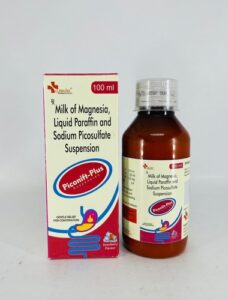
Curavax Pharmaceuticals Pvt Ltd is a relatively new player (incorporated in 2022) in Ambala Cantt, Haryana. The company is described as engaged in manufacturing, marketing and distribution of pharmaceutical formulations, and offering PCD Pharma Franchise and third-party manufacturing services.
Here are some details:
-
Registered address: Khasra No. 8/6, 15/1, Plot-8, Kuldeep Nagar, Nanhera Road, Ambala Cantt, Haryana 133004.
-
Company Registration / CIN: U24290HR2022PTC100987.
-
Certifications claimed: WHO-GMP, ISO 9001:2015, with pan India PCD network.
-
Product range: According to one listing, they claim 100+ pharma products including tablets, softgels, capsules, injectables, syrups, dry syrups, topical gels etc.
Role in Third-Party Manufacturing
“third party manufacturing” services (i.e., manufacture for other companies) and franchise/distribution support.
As such, Curavax operates in the “contract manufacturing / third‐party manufacturing + PCD franchise” space: they manufacture (or at least coordinate manufacturing) for other brands/distributors, and also offer PCD (propaganda cum distribution) franchise opportunities in India.
Strengths & Opportunities
-
Being relatively new, Curavax has the opportunity to scale quickly by aligning with the third‐party manufacturing boom.
-
If they have WHO-GMP / ISO certification and reliable manufacturing, they can serve smaller brands/distributors who want to enter the market without building their own plant.
-
Their location in Ambala (Haryana) places them in the North Indian pharma and distribution network, which may facilitate pan-India outreach.
-
Offering a wide product range (tablets, capsules, syrups, injectables) allows them flexibility to serve diverse clients.
Considerations & Cautions
-
As a newer company, their track record may be less established compared to older firms. Due diligence by clients/partners will be important (audit of manufacturing facility, compliance history, third-party references).
-
Third‐party manufacturing partners must ensure continuous compliance with GMP, regulatory documentation and capacity reliability; any lapse may impact the brand associated with them.
-
For clients seeking export or highly regulated markets (US/EU), the manufacturing site needs high regulatory credentials (US FDA, EU GMP, etc) – it’s unclear publicly whether Curavax has such certified capabilities.
-
Clients should evaluate production capacity, lead times, MOQ (minimum order quantity), batch scalability, quality control and packaging – especially if they plan to scale rapidly.
Integrating Curavax within the Industry Landscape
In the broader context, companies like Curavax bridge the gap between large contract manufacturers and smaller brand/distribution firms. Many smaller pharma marketers don’t own manufacturing plants; instead they partner with third‐party manufacturers who produce under their brand name (or provide franchise arrangements). Curavax positions itself in that niche: offering manufacturing + PCD franchise opportunities.
For smaller entities (regional distributors, franchise operators) this model offers a relatively low barrier to entry: they don’t build a plant, they partner with a third‐party manufacturer (like Curavax) for production, packaging, regulatory compliance, etc, and then concentrate on marketing/distribution.
From the manufacturing partner’s side (Curavax and similar firms) the business model involves: maintaining compliant manufacturing infrastructure (or network of plants), securing input raw materials, managing multi‐product lines, fulfilling contract volumes, providing packaging/distribution support, and offering timely supply and quality assurance to clients.
In India’s pharma ecosystem, as the demand for generics, OTC (over‐the-counter) products, multi‐formulation portfolios and exports grows, the third‐party manufacturing model is expected to continue expanding.
Strategic Implications for Stakeholders
For Brand/Marketing Firms
-
Leveraging third‐party manufacturers allows faster entry and expansion of product portfolios without heavy upfront investment.
-
However, success hinges on selecting a reliable partner (audit history, compliance track record, capacity, turnaround times).
-
Brand owners should maintain oversight of quality outcomes even if manufacturing is outsourced (since brand reputation remains at stake).
-
Robust contractual arrangements (MOQ, lead time, quality warranty, regulatory documentation) are crucial.
For Manufacturing Firms (like Curavax)
-
Need to maintain high manufacturing standards (WHO-GMP, ISO, potentially USFDA/EU if targeting export).
-
Capacity management becomes important: balancing multiple clients, varying volumes, ensuring no supply disruptions.
-
Diversification of formulations and dosage forms (tablets, capsules, syrups, injectables) helps meet varying client demands and capture more of the value chain.
-
Strong client servicing (timely delivery, packaging innovation, regulatory support) becomes a differentiator.
-
Growth opportunities exist: servicing export markets, enabling newer formulations, offering R&D support, investing in innovation/complex dosage forms.
For the Industry / Economy
-
Third‐party manufacturing supports the pharmaceutical ecosystem by enabling smaller players to participate, increasing overall capacity, and enhancing India’s role in global supply chains.
-
It helps in achieving cost-effective medicine production and supports export growth.
-
However, regulatory vigilance is necessary: ensuring quality across many contract manufacturers is non-trivial. The fact that Indian regulators have shut many non-compliant units (36% of units inspected) underscores the risk.
-
Policy support (government incentives, PLI schemes, manufacturing parks) can further accelerate growth.
Concluding Thoughts
The third-party pharmaceutical manufacturing model is a key enabler in India’s pharma sector—providing flexibility, cost savings and access to manufacturing capability for brand owners, while offering manufacturing firms new business avenues. Within this ecosystem, Curavax Pharmaceuticals Pvt Ltd is a representative of the newer generation of contract/third‐party manufacturers and franchise providers: situated in Haryana, offering a wide product range, and supporting franchise/distribution as well as third‐party manufacturing.
For clients or partners considering working with Curavax (or similar firms), key success factors will include: verifying manufacturing facility certifications, visiting or auditing the plant, checking past client references, understanding capacity/lead time/quality metrics, clarifying contractual terms and packaging/regulatory support services.
As India’s pharma demand (domestic + export) continues to grow, and as more brands seek outsourcing rather than owning manufacturing, companies like Curavax are well‐positioned—but the basis of success remains reliability, quality and operational excellence.